EcoFlow RIVER 3 Plus vs Jackery Explorer 300
We may earn a commission when you buy through links on this page. As an Amazon Associate I earn from qualifying purchases.
Our verdict
Both are small, roughly 300 Wh stations at about the same list price ($299 vs $289), but they’re a generation apart. The EcoFlow RIVER 3 Plus uses LiFePO4 cells rated for 3,000 cycles against the Explorer 300’s 500-cycle NMC battery. It also delivers twice the output (600 W vs 300 W), takes more than twice the solar input (220 W vs 90 W), adds a third AC outlet and can be expanded to 858 Wh with an extra battery.
The Jackery Explorer 300 is lighter (7.1 vs 10.4 lb) and has a 60 W USB-C port. Unless the lowest possible weight is all that matters, the RIVER 3 Plus is the better buy and should last years longer.
Based on manufacturer specs and list prices checked Oct 11, 2026.
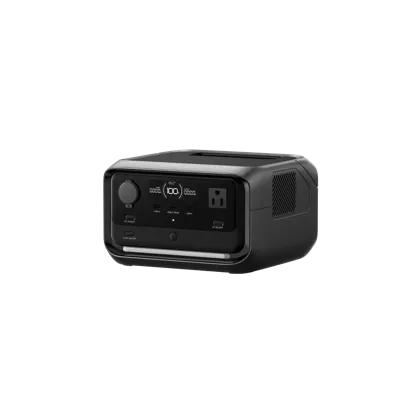
Where the EcoFlow RIVER 3 Plus wins
- More continuous output (600 vs 300 W)
- Higher surge for motor start-ups (1,200 vs 500 W)
- Faster solar charging (220 vs 90 W input)
- More rated cycles (3,000 vs 500)
- More AC outlets (3 vs 2)
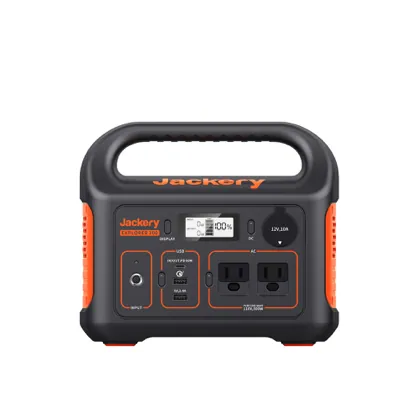
Where the Jackery Explorer 300 wins
- Lighter (7.1 vs 10.4 lb)
Spec by spec
| Spec | EcoFlow RIVER 3 Plus | Jackery Explorer 300 |
|---|---|---|
| Battery capacity | 286 Wh | 293 Wh (better) |
| Continuous AC output | 600 W (better) | 300 W |
| Surge / peak output | 1,200 W (better) | 500 W |
| Battery chemistry | LiFePO4 | NMC lithium-ion |
| Rated charge cycles | 3,000 (better) | 500 |
| Lifetime energy (capacity × cycles) | 858 kWh (better) | 147 kWh |
| Weight | 10.4 lb | 7.1 lb (better) |
| Energy per pound | 27.5 Wh/lb | 41.3 Wh/lb (better) |
| AC outlets | 3 (better) | 2 |
| Max USB-C output | — | 60 W |
| Max solar input | 220 W (better) | 90 W |
| Wall charge to 100% | — | 270 min |
| Expandable to | 858 Wh | — |
| List price at maker | $299 | $289 |
| Runs a full-size fridge | Borderline | Too much power |
| CPAP nights (40 W, 8 h) | 0 | 0 |
As an Amazon Associate I earn from qualifying purchases.